History & Legend
The Eternal Green
The emerald derives its name from the ancient Greek Σμάραγδος — smaragdus — a word that has echoed through millennia of human fascination. Pliny the Elder captured its essence in a single declaration that has never been surpassed:
"...nothing greens greener." — Pliny the Elder
For centuries, no stone has commanded the reverence afforded to the emerald. Cleopatra adorned herself and her palace with them, gifted them to ambassadors as symbols of authority, and had them carved with her portrait as tokens of sovereign power. In ancient belief, emeralds were said to grant the power to foresee the future, reveal truth, and shield their bearer from evil. Biblical tradition names emerald among the four precious stones bestowed upon King Solomon.
The great emerald deposits of South America were first encountered by Spanish explorers in the sixteenth century, who found the Inca civilisation in possession of stones of incomparable beauty. Brazil — and specifically the state of Bahia — emerged as one of the world's most significant sources. The region of Campo Formoso and Pindobaçu, approximately 400 kilometres from Salvador, has yielded some of the finest specimens ever documented.
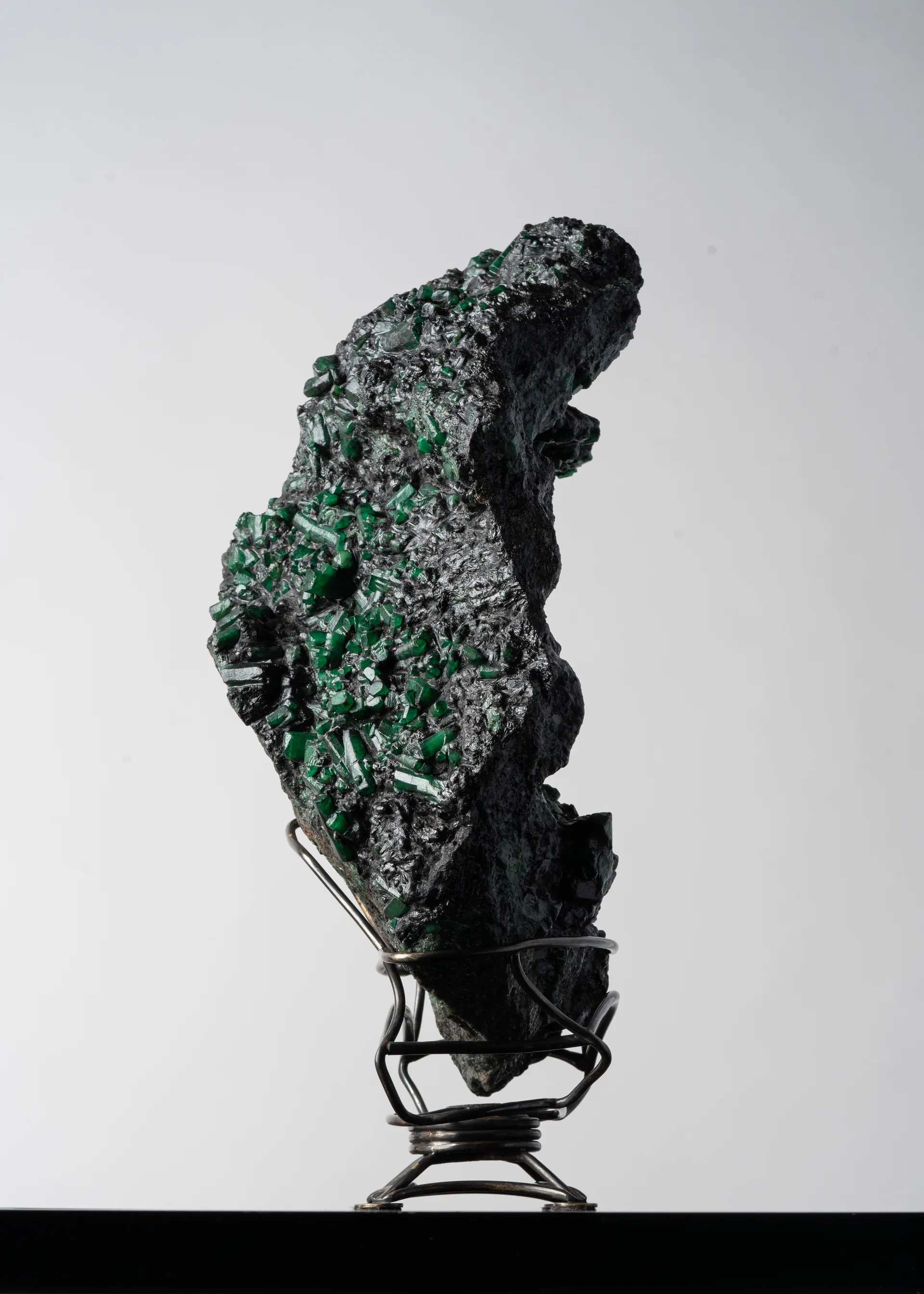
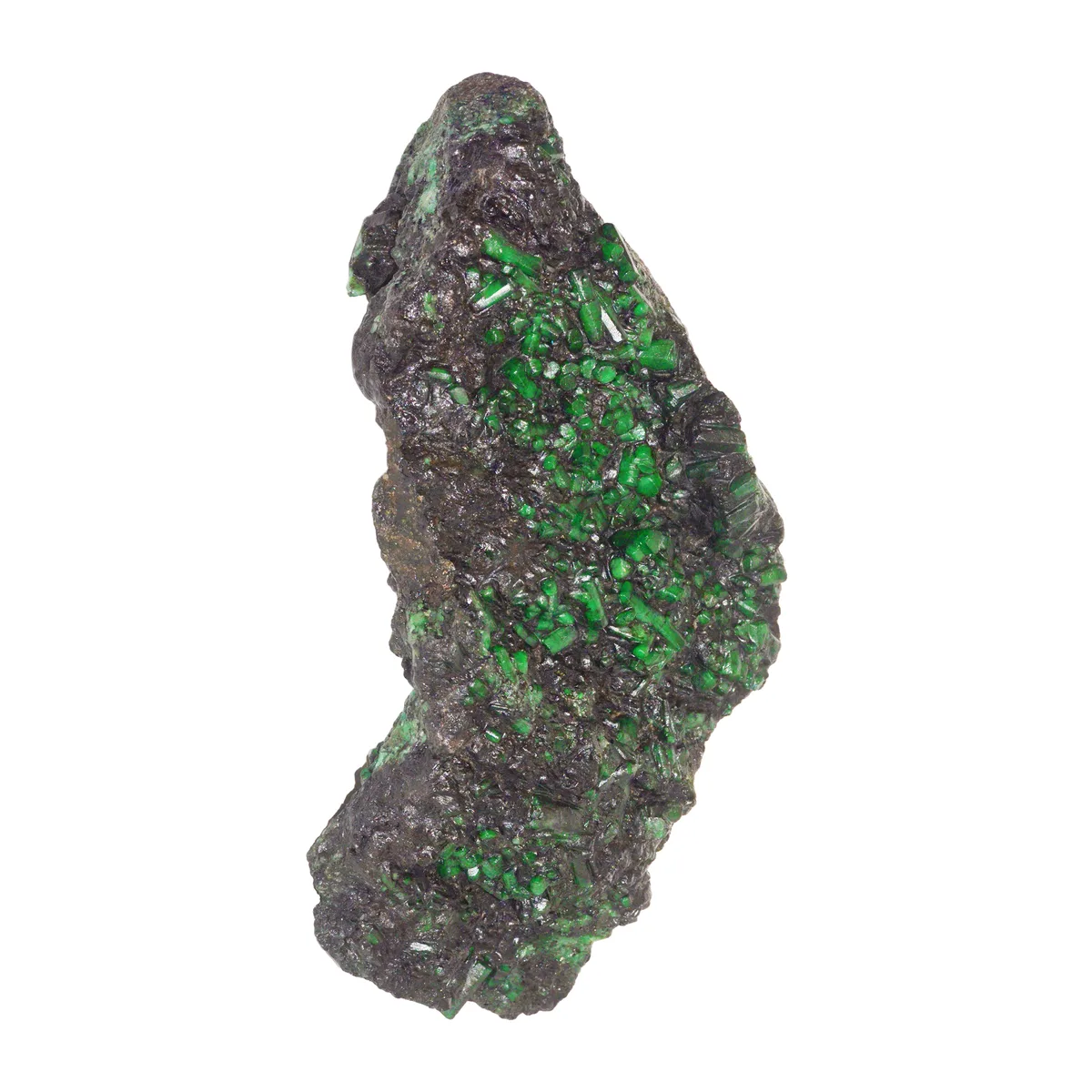
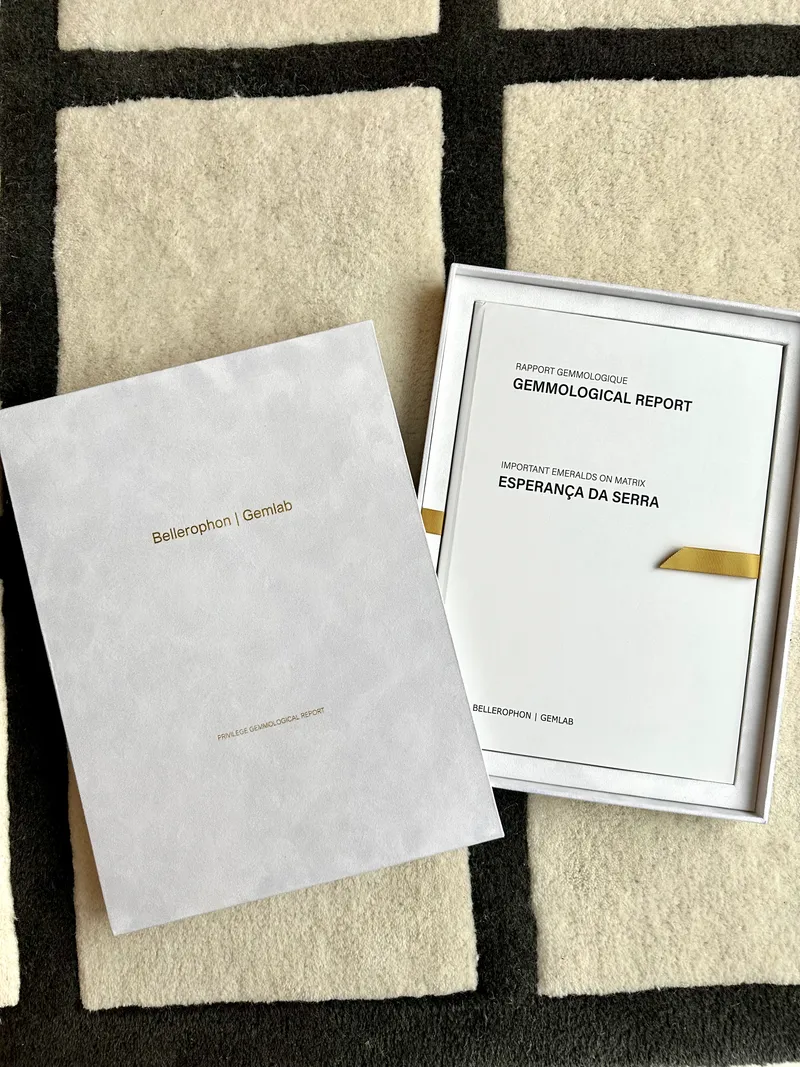
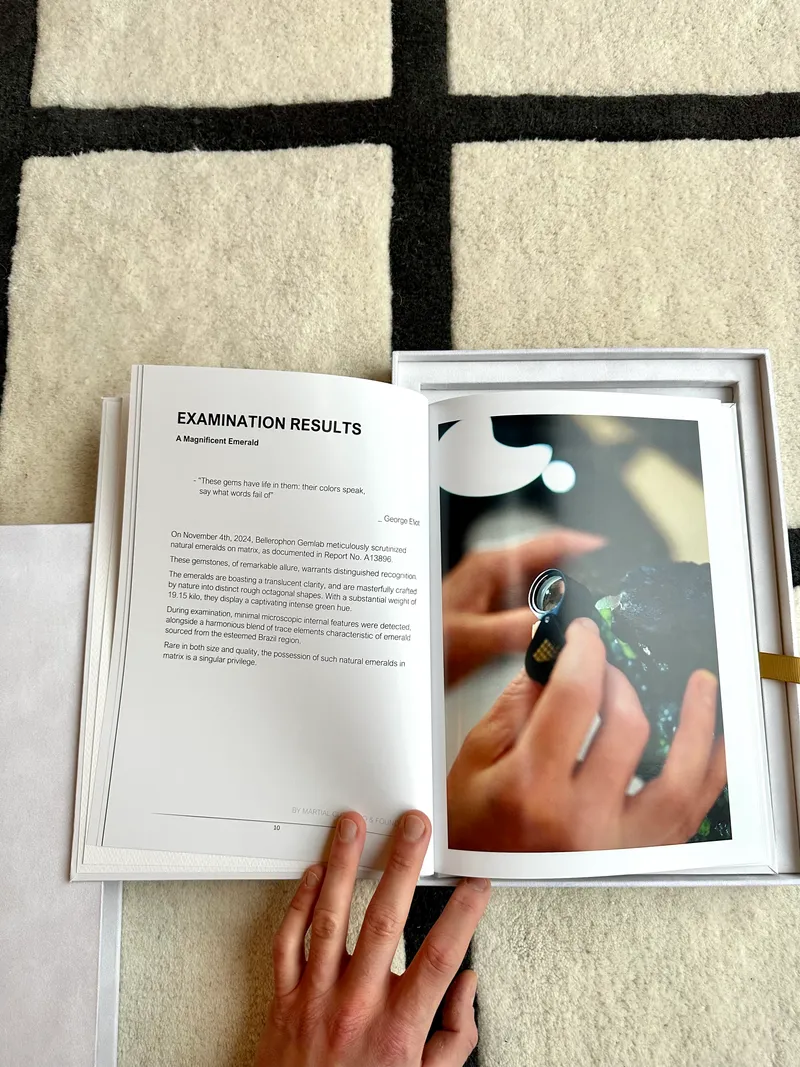
Esperança Da Serra — Hope of the Mountain Range — was formed approximately 520 million years ago during the Proterozoic era, within the serpentine rocks of the Campo Formoso granite batholith. Its vivid chromium-driven green, its translucent clarity, and its exceptional mass of 19.15 kilograms place it in a category occupied by only the rarest specimens in recorded gemmological history.
Today, Brazilian emerald deposits of this calibre are no longer actively exploited. The stone before you is not merely a gemstone — it is a geological monument, a piece of Earth's deep history, preserved in the most vivid green nature has ever produced.